USFans · English
USFans T-Shirts: Choose the Shape Before the Graphic
Compare USFans T-shirt proportions, measurement methods, pocket and print placement before choosing an option and reviewing item photos.
On this page
A T-shirt can look right in a product photograph yet have the wrong proportions for your wardrobe. Before comparing graphics in a USFans spreadsheet, decide whether you want a base layer, an untucked everyday shirt or a deliberately roomy silhouette. That choice makes length, width and sleeve shape easier to judge.
Use a shirt you already enjoy wearing as your reference. Do not choose one simply because its label matches your usual size: choose the garment whose fit you want to reproduce or adjust.
Build a shortlist around proportions
Compare chest width and body length together. A wider shirt is not necessarily longer, and a larger label size is not the same thing as a boxy cut. Shoulder position and sleeve length affect where the sleeve ends, particularly on dropped-shoulder designs.
| Feature | Question for your intended outfit |
|---|---|
| Body length | Will you tuck it in or wear the hem outside your trousers? |
| Chest width | Do you want it close to the body or loose under a jacket? |
| Shoulder shape | Does the seam position match the silhouette you want? |
| Sleeve opening | Will it sit close to the upper arm or have a wider shape? |
| Neckline | Does its height and shape suit how you plan to layer it? |
If the size chart omits a dimension that matters, ask for clarification rather than estimating it from the model's photograph. The model's height alone does not tell you the garment's measurements or how the image was styled.
A T-shirt candidate to examine
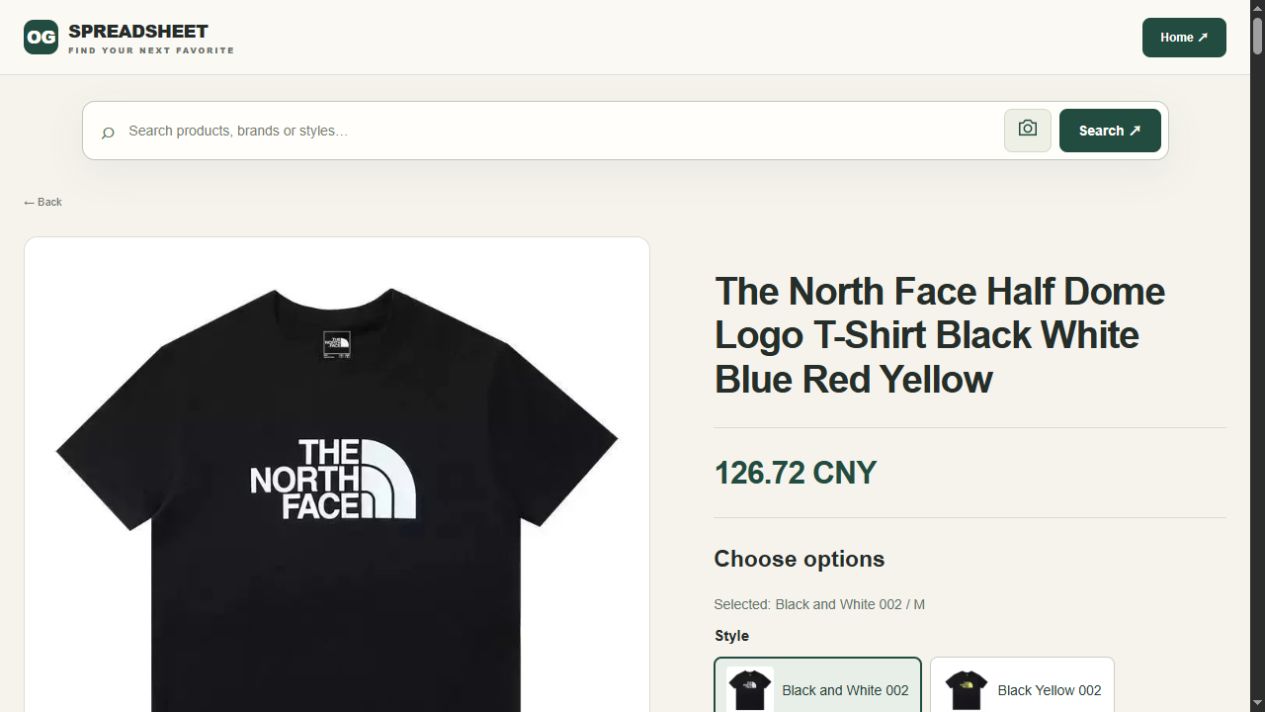
Use the linked T-shirt as a candidate for comparing proportions: inspect its neckline, sleeve shape and overall length alongside the selected option. Check which photographs and measurements apply to that version instead of inferring its details from a different shirt.
Explore the T-shirt candidate on OG
The listing title identifies the offer; it does not verify brand authenticity, material quality or fit. Keep the chosen size and colour with the link so a later comparison still refers to the same option.
Measure without stretching the reference shirt
Lay the shirt flat and use the measurement method shown in the candidate's chart. Check whether length starts at the highest shoulder point or another specified position. Measure chest width between matching points rather than comparing it directly with your body circumference.
For sleeve length, note the starting point. A measurement from the neck includes a different section from one beginning at the shoulder seam. The size guide explains how to avoid mixing those methods.
Do not choose a tight fit on the assumption that the shirt will stretch, or an oversized fit because you expect it to shrink. Without suitable product information, neither change is predictable enough to solve the sizing decision.
Compare graphic placement, not just the artwork
A design can change character depending on where it sits on the shirt. Look at its relationship to the neckline, pocket and hem. If photographs show different variants, establish which print arrangement belongs to the option you intend to buy.
Ask whether you want the design visible beneath your usual outer layer. A large back graphic may be hidden whenever you wear a jacket; a chest pocket may interfere with the visual balance you prefer. Those are wardrobe preferences, not defects.
Photographs can reveal print placement and visible marks. They do not establish how the print feels, whether it will crack after washing or whether the fabric will remain opaque in every condition. Look for relevant material and care information instead of deriving those properties from a clean studio image.
Check the received item against the selected option
When item photographs are available, identify your shirt before examining details. Compare the label, colourway, graphic and pocket arrangement with the order. Inspect visible seam irregularities or marks using a clear detail view and a wider image that locates the issue.
If a dark patch could be a shadow, request a clarifying view. If the neckline appears uneven, consider how the shirt is laid out before deciding that its construction is wrong. The QC photo guide explains how to ask for a useful image without treating a photograph as a wear test.
Buy a role, not several nearly identical candidates
If you already have several similar shirts, ask what the new one adds: a different length, a layer-friendly neckline or a design you will actually wear. Two listings with different names can still fill the same role in your wardrobe.
For a coordinated top and bottom, read the sets guide before assuming the shirt pictured is sold with the shorts. For a warmer layer, compare hoodies and sweaters. Keep your choices organised through the spreadsheet links guide.
Does a heavier-looking T-shirt mean better quality?
No. An image does not establish fabric weight, and weight alone would not settle construction, comfort or suitability for your use.
Should I always size up for an oversized look?
Compare the intended cut first. Increasing a label size can change length and shoulder placement without producing the shape you wanted.
Can I use another buyer's photos for my size decision?
They can help you ask questions about the design. They do not replace the dimensions and identification of your selected option. Return to the USFans spreadsheet to compare another candidate if those details remain unsuitable.
Compare the current product details and available options before adding this item to your shortlist.
View the product on OG Spreadsheet